Nov 19, 2025
What Every New Diver Should Know Before Their First Lesson
Your first scuba diving lesson sets the tone for your underwater journey. It’s where you’ll learn how to use your gear, practice key safety skills, and experience the thrill of breathing underwater for the first time.
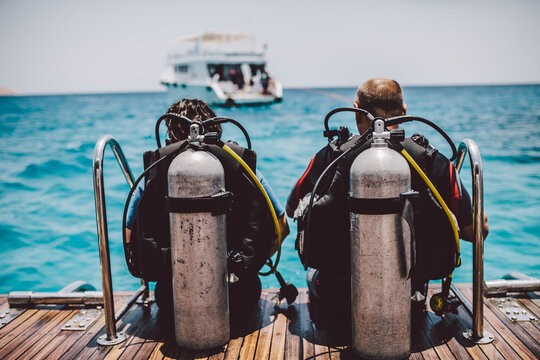
Scuba diving is one of the most exciting adventures you can experience — but before you take that first breath underwater, it helps to know what to expect. Whether you’re signing up for a PADI Open Water course, trying a "Scuba Diving Essex Lesson" / “Discover Scuba” session, or preparing for your first lesson at a local dive centre, a bit of preparation can make all the difference.
In this guide, you’ll find practical beginner scuba diving tips to help you feel confident, calm, and ready before your first dive. From what to bring, to how to breathe underwater, this article covers everything a new diver should know.
Why Your First Lesson Matters
Your first scuba diving lesson sets the tone for your underwater journey. It’s where you’ll learn how to use your gear, practice key safety skills, and experience the thrill of breathing underwater for the first time.
Most beginners start in a pool or a calm, shallow environment. You’ll learn to assemble your gear, clear your mask, control your buoyancy, and communicate using hand signals.
Taking the time to prepare beforehand helps you relax, focus, and enjoy the experience — instead of worrying about what’s next. Every great diver started as a beginner, and your first lesson is where that journey begins.
Preparing Before You Get in the Water
Fitness & Health
You don’t have to be an athlete to scuba dive, but a basic level of fitness and comfort in the water is important. You should be able to swim 200 metres (any stroke) and float or tread water for 10 minutes.
If you have any medical concerns — such as asthma, sinus issues, or ear problems — check with your doctor first. You’ll also fill out a dive medical form before your first session.
Choosing a Dive Centre
Not all dive schools are created equal. Look for a certified centre (PADI, BSAC, SSI) with experienced instructors and small class sizes. Ask questions like:
How many students per instructor?
Is the first session in a pool or open water?
What safety measures are in place?
Read reviews, and choose somewhere that takes time to answer your questions — not just book you in.
What to Bring
Pack like you’re heading to the pool with purpose:
Swimwear and towel
Spare clothes
Refillable water bottle
Light snack
Medical declaration form
Hair ties or bandana (for longer hair)
Reusable dry bag for valuables
Pro Tip: Bring a spare towel and a small snack — dive sessions often run longer than planned!
Mindset
Feeling nervous is completely normal. Most people are surprised by how calm and quiet it feels underwater once they settle in. Listen carefully, breathe slowly, and focus on enjoying the moment.
What to Expect During Your First Lesson
When you arrive, your instructor will give a safety briefing and walk you through the equipment. You’ll learn how to check your gear, understand the pressure gauge, and communicate using hand signals.
The first part of the session often takes place in a pool or shallow confined water. You’ll practice:
Clearing water from your mask
Recovering your regulator
Controlling buoyancy with your BCD
Breathing calmly and slowly
The first time you descend, the feeling of weightlessness can be strange — but it quickly becomes addictive. If something feels uncomfortable, signal your instructor immediately. They’re there to make sure you’re safe and relaxed.
Essential Scuba Diving Tips for Beginners
These practical tips will help you make the most of your first lesson:
Double-check your gear before entering the water. A quick buddy check prevents problems later.
Equalise your ears early and often as you descend.
Breathe slowly and continuously. Never hold your breath underwater.
Move with your fins, not your arms — it’s more efficient and conserves energy.
Stay within your limits. Never let peer pressure push you deeper or longer than you’re ready for.
Stay hydrated and avoid alcohol before diving.
Log your experience afterwards — note how you felt, what went well, and what to improve next time.
Pro Tip: Relax! The more comfortable you are, the easier your buoyancy control and air consumption will be.
Common Beginner Mistakes (and How to Avoid Them)
Even with great instructors, every new diver makes a few slip-ups. Here are the most common — and how to fix them:
Holding your breath: Always breathe continuously to prevent lung over-expansion injuries.
Descending too fast: Equalise early and often. If your ears hurt, stop and ascend slightly.
Wearing the wrong-sized gear: Ask your instructor for adjustments — a comfortable mask and fins make a huge difference.
Skipping the buddy check: Take a minute to review each other’s kit before every dive.
Over-weighting yourself: It’s tempting to add extra weight, but too much makes buoyancy control harder. Trust your instructor’s guidance.
Ignoring nerves: Speak up if you feel uneasy — it’s normal, and instructors are trained to help.
Gear Basics for New Divers
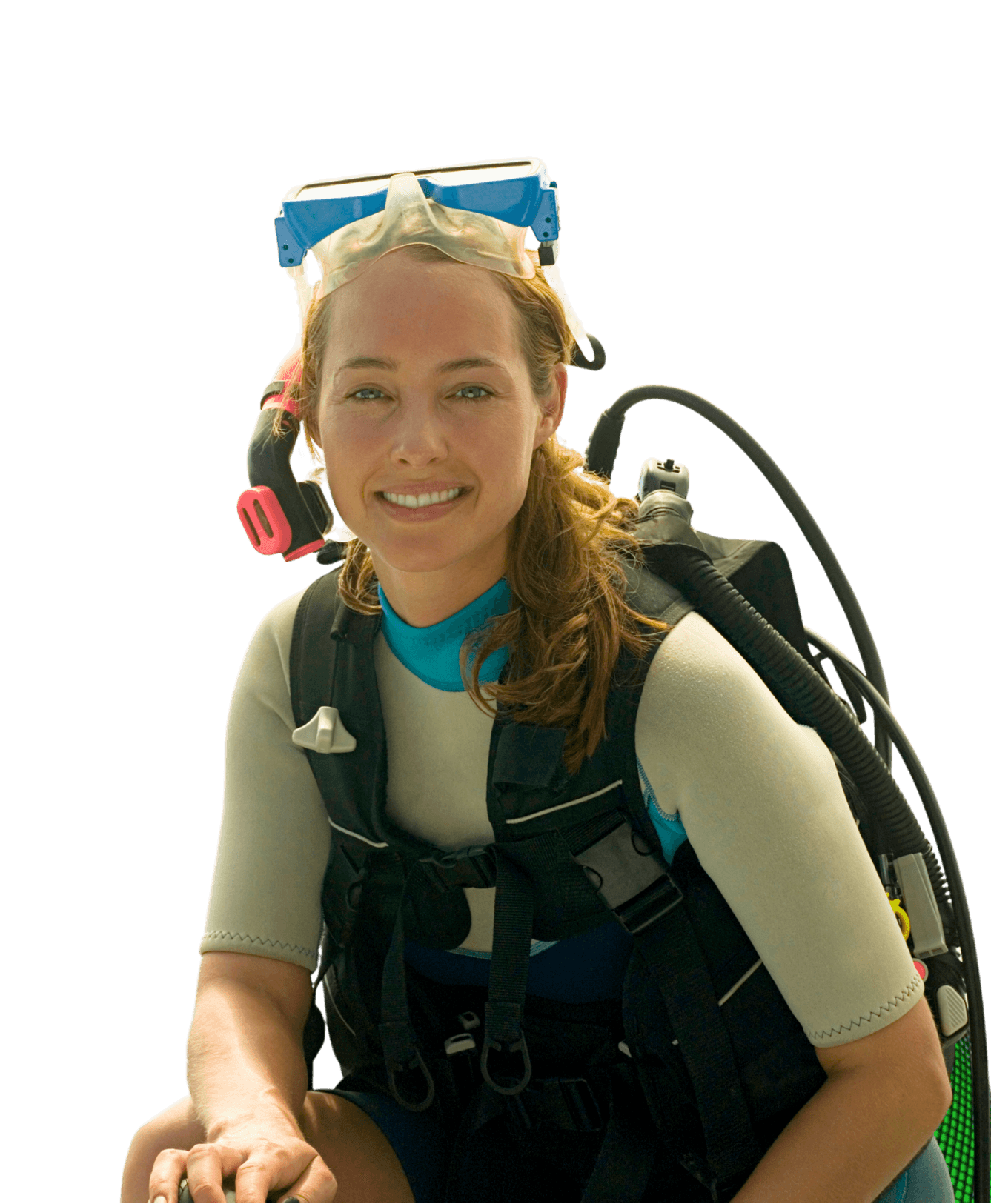
Scuba gear can look complicated, but once you know the basics, it’s straightforward. Here’s what you’ll use:
Mask: Lets you see clearly underwater. Should fit snugly without leaking.
Fins: Provide propulsion — make sure the size matches your boots.
BCD (Buoyancy Control Device): Controls your buoyancy and holds your tank.
Regulator: Delivers air from the tank to your mouth.
Wetsuit or Drysuit: Keeps you warm depending on water temperature.
Weights: Help you descend and stay neutral in the water.
If you’re not ready to buy, renting is completely fine at this stage.
After your lesson, rinse your gear in fresh water and hang it to dry out of direct sunlight.
Quick Gear Checklist:
☑ Mask & snorkel
☑ Fins & boots
☑ BCD
☑ Regulator set
☑ Wetsuit
☑ Weight belt
After Your First Lesson
You’ve done it — your first scuba lesson!
Take a few minutes to write down what you learned and how you felt. This helps track progress for your next sessions. If you enjoyed it, book your next step — usually the Open Water Diver course. You can also join a local dive club or online group to meet other new divers. Scuba diving is a lifelong journey. Each dive builds confidence, skill, and appreciation for the underwater world.
Every diver remembers their first time breathing underwater. The mix of excitement and calm is something you’ll never forget. With the right preparation and mindset, you can make your first scuba diving lesson a safe, fun, and memorable experience.
So take the plunge — stay calm, listen to your instructor, and enjoy every bubble.
If you’re ready to start your underwater adventure, check out our beginner-friendly courses or download our free new diver checklist to help you prepare for your first lesson.
FAQs
Do I need to be a strong swimmer to scuba dive?
No — basic swimming ability and comfort in the water are enough.
What’s the minimum age for scuba diving?
Most certification agencies allow diving from age 10 and up (with parental consent).
Is scuba diving safe for beginners?
Yes, when taught by a qualified instructor and with proper safety checks, scuba diving is very safe.
Should I buy my own gear before my first lesson?
No — rental gear is fine for beginners. You’ll learn what fits and feels comfortable before investing.