Nov 27, 2025
Scuba Gear Guide: What You Do & Don't Need
This beginner scuba gear guide breaks down what’s truly necessary for your first dives, what can be rented, and which items are worth investing in once you’re hooked.
Stepping into the world of scuba diving for the first time is exciting — but walking into a dive shop can also feel overwhelming. Masks, fins, wetsuits, regulators, BCDs… where do you even start? Also, don't forget we can run through this with you in person at our scuba diving essex hub.
The truth is, you don’t need to buy everything straight away. Some gear is essential for comfort and hygiene, while other equipment can (and should) wait until you’ve done a few dives.
This beginner scuba gear guide breaks down what’s truly necessary for your first dives, what can be rented, and which items are worth investing in once you’re hooked.
Understanding Your Scuba Gear Setup
Scuba gear has one main job: to keep you safe, warm, and breathing comfortably underwater. It can be grouped into three key categories:
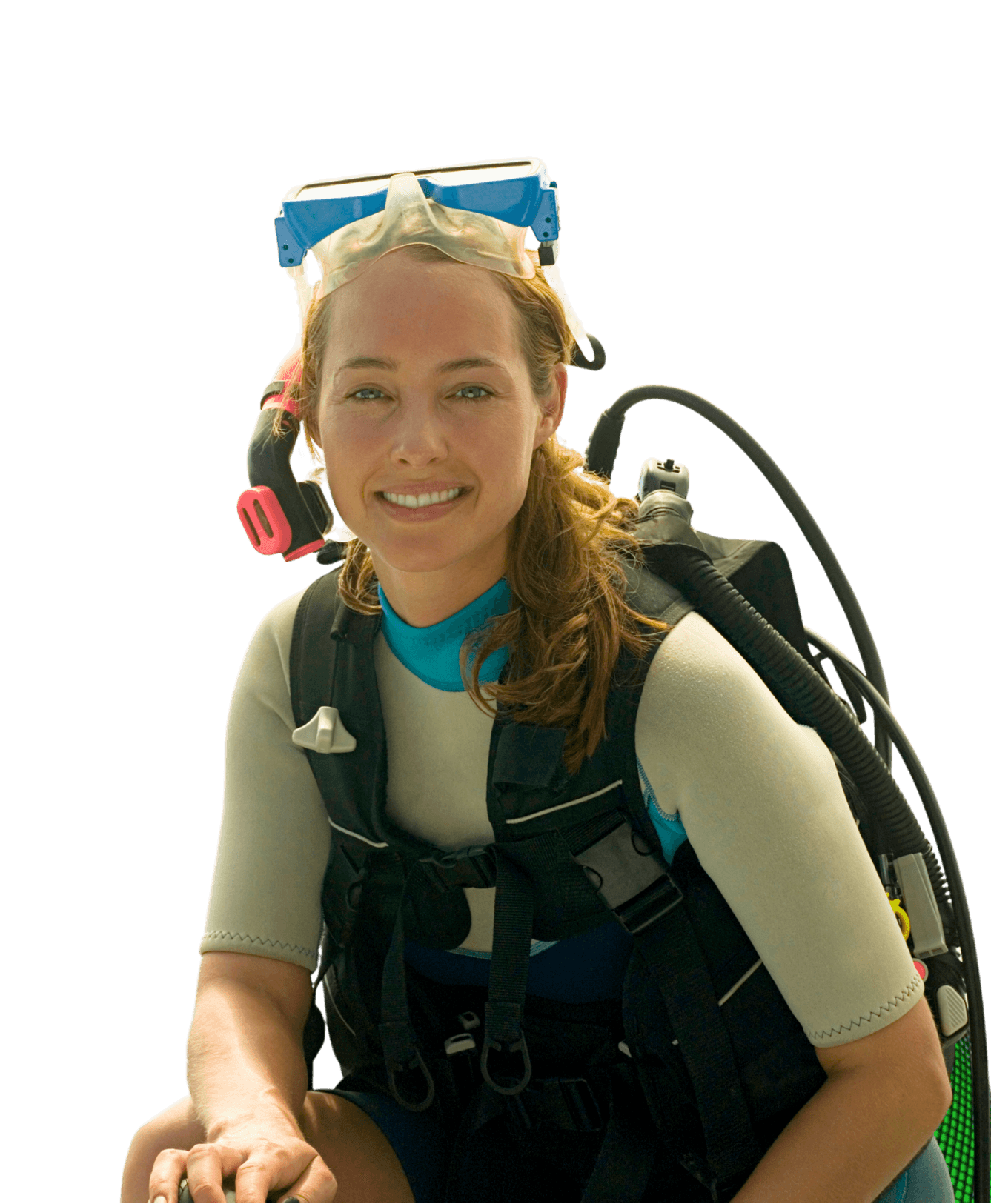
Personal gear: mask, snorkel, fins, wetsuit or drysuit, gloves, boots.
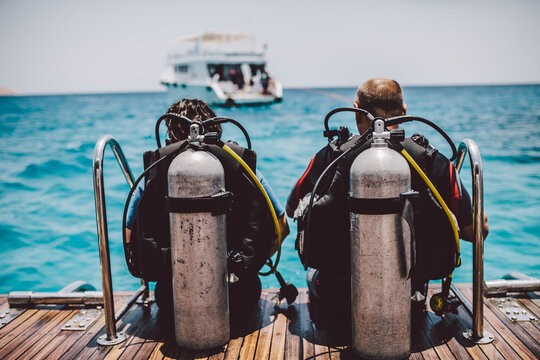
Life-support gear: regulator, BCD (buoyancy control device), tank, weights.
Accessories: dive computer, SMB (surface marker buoy), torch, logbook, etc.
Knowing what each piece does — and how it contributes to your comfort and safety — will help you make smarter choices (and save money).
What You Need for Your First Dives
Mask
Your mask is your window to the underwater world — and one of the few pieces worth buying early.
It should fit snugly without leaking or pinching.
To test fit: place it on your face without using the strap, inhale through your nose — if it stays on, it fits.
Avoid cheap masks with thin silicone; they tend to leak.
Pro Tip: Clear silicone skirts let in more light — great for new divers.
Snorkel
While you won’t use it much underwater, a snorkel is handy at the surface before and after dives.
A simple J-shaped snorkel is all you need.
Avoid complex valves or purge systems that add bulk.
Some divers eventually ditch snorkels entirely, but for beginners they’re useful (and required in many courses).
Fins
Fins help you move efficiently through the water without wasting energy.
Open-heel fins (worn with boots) are best for colder or UK waters.
Full-foot fins are lighter and better for warm-water holidays.
Fit is key — not too loose or tight.
If you’re doing your first dives locally, open-heel fins with neoprene boots are a smart choice.
Wetsuit or Drysuit
Exposure protection keeps you warm and comfortable — and makes a huge difference to how long you can stay in the water.
For UK or Essex diving, you’ll likely use a 5mm or 7mm wetsuit or even a drysuit for colder conditions.
For tropical diving, a 3mm shorty is usually enough.
Fit is crucial: too loose and you’ll get flushed with cold water; too tight and it’ll restrict movement.
If you’re unsure, rent first — most dive centres will provide a suitable suit for local conditions.
Boots & Gloves
Cold feet and hands ruin dives fast.
Boots add warmth and protect from rocks and boat decks.
Gloves help in cooler water but should still let you handle equipment easily.
Again, for Essex or UK waters, neoprene boots and gloves are highly recommended.
What You Can Rent (and Should)
Regulator
Your regulator delivers air from your tank to your mouth — it’s literally your lifeline.
Good dive centres maintain rental regulators regularly, so there’s no rush to buy one.
When you do invest, choose a brand that’s easy to service locally.
BCD (Buoyancy Control Device)
A BCD holds your tank and helps you control buoyancy.
Rental BCDs are fine for beginners — they’re sturdy, functional, and included in most course fees. Buy one later when you know what features you like (integrated weights, back-inflate, or jacket style).
Cylinder (Tank)
Tanks are always provided by dive centres or clubs — they’re heavy, expensive, and need regular inspections. Definitely not something to buy early on.
Weights
Weights are also always supplied and customised for each dive depending on your body, gear, and water type.
Nice-to-Have Accessories (Once You’ve Done a Few Dives)
Dive Computer
Tracks your depth, time, and no-decompression limits.
It’s a worthwhile investment once you start diving regularly, as it improves safety and independence.
Surface Marker Buoy (SMB)
An inflatable marker that alerts boats and other divers to your position when surfacing. Often provided by dive centres, but owning one is smart once you start diving independently.
Torch or Light
Useful for wrecks, night dives, or even daylight dives in UK conditions where visibility can drop quickly.
Logbook
Essential for tracking dives, noting what equipment worked, and recording progress — especially when qualifying for advanced certifications.
What You Don’t Need (Yet)
A common mistake among beginners is buying too much too soon. You can safely skip:
Dive knives: not needed unless diving in areas with fishing line hazards.
Fancy dive bags: your instructor’s old kit bag or a mesh tote is fine.
GoPro or camera gear: focus on skills before filming dives.
Expensive drysuits: wait until you’re diving regularly in cold water.
Start simple. Once you know your preferences and conditions, you’ll make smarter investments.
Gear Maintenance Tips
Even if you’re renting, good habits start early:
Rinse all gear in fresh water after every dive.
Dry it away from direct sunlight.
Check mask straps and fin buckles for wear.
Keep your kit organised and stored loosely to prevent damage.
Learning to care for your equipment builds trust, safety, and confidence — qualities every diver needs.
You don’t need to own every piece of scuba gear to dive — you just need the right essentials to stay safe and comfortable.
Start with your personal items like mask, fins, and wetsuit, then rent the rest until you know what works for you. Over time, you’ll naturally build a set that fits your style and diving environment.
Remember: diving is about experiences, not equipment. Get comfortable, stay safe, and enjoy discovering the underwater world — one dive at a time.
If you’re ready to start diving in the UK, check out our Scuba Diving Essex training sessions and gear workshops — perfect for beginners who want guidance on choosing the right equipment for local conditions.
FAQs
Do I need to buy all my gear before my Open Water course?
No — your dive centre will provide most of it. Owning your own mask, fins, and snorkel is usually enough to start.
What’s the first piece of gear I should buy?
A well-fitting mask — comfort and fit make a huge difference to your confidence underwater.
How much does scuba gear cost?
A full beginner setup ranges from £800–£1,200 new, but most divers start by renting and gradually buying their own kit.
Can I rent gear for local dives?
Yes — most UK and Essex dive centres offer full rental packages for training and fun dives.