Nov 16, 2025
How to Stay Calm and Comfortable Underwater
In this guide, we’ll break down how to improve your breathing technique so you feel relaxed, in control, and confident underwater.
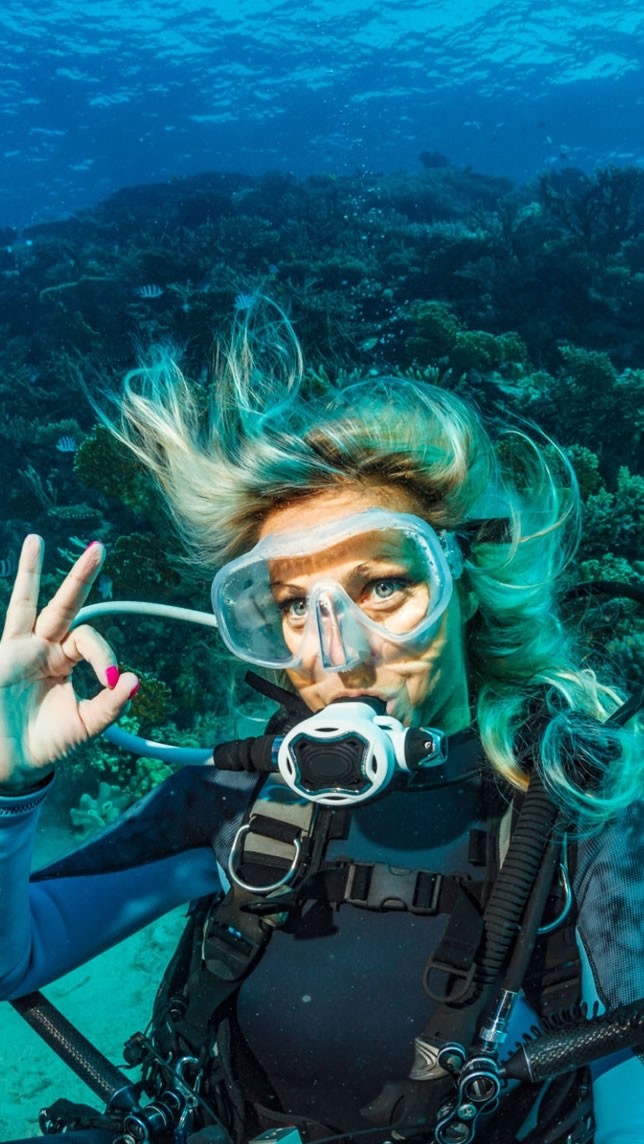
Ask any experienced diver for their number-one tip, and you’ll hear the same thing every time: master your breathing. How you breathe underwater affects everything — your air consumption, buoyancy, comfort, and even how long you can stay down. We teach this in our scuba diving essex lessons.
In this guide, we’ll break down how to improve your breathing technique so you feel relaxed, in control, and confident underwater. Whether you’re a new diver preparing for your first open-water dive or a certified diver looking to improve, these scuba breathing tips will help you stay calm and make every dive smoother.
Why Breathing Matters in Scuba Diving
Breathing underwater isn’t just about survival — it’s about control.
Unlike on land, where breathing is automatic, scuba diving requires conscious focus. The goal is to maintain a slow, steady rhythm that keeps your heart rate low and your buoyancy stable.
Good breathing helps you:
Conserve air, allowing longer dives
Stay neutrally buoyant and avoid rapid ascents or descents
Stay warm, since shallow, fast breathing can make you lose heat
Remain calm, even if something unexpected happens
Once you get your breathing right, everything else — buoyancy, movement, and comfort — becomes easier.
Understanding How Breathing Affects Buoyancy
Every breath you take changes the volume of air in your lungs, which in turn affects your buoyancy. When you inhale, your body becomes slightly more buoyant; when you exhale, you sink a little.
Beginners often struggle with “yo-yoing” — rising and sinking unintentionally. This usually comes from shallow, quick breathing or breath-holding.
To correct it:
Breathe slowly and deeply, filling your lungs completely.
Avoid holding your breath, even for a second.
Exhale fully — you’ll find your buoyancy becomes steadier as your breathing rhythm stabilises.
Your lungs are like a natural buoyancy control device (BCD). Once you master that balance, you’ll glide effortlessly underwater.
Common Breathing Mistakes New Divers Make
Even experienced divers slip into bad habits now and then. Here are the most common mistakes and how to avoid them:
Breathing too fast: Wastes air and increases anxiety. Slow down and match your breath to your movements.
Holding your breath: Dangerous under pressure — always breathe continuously.
Shallow breathing: Doesn’t fully exchange air in your lungs and can lead to carbon dioxide buildup.
Over-inflating your BCD instead of controlling buoyancy with your breath: Learn to rely on your lungs first.
Forgetting to relax: Tension makes your breathing shorter and faster — consciously relax your shoulders and jaw.
Pro Tip: Think of each breath as a slow wave — deep inhale, calm exhale. If you’re rushing, slow it down.
Techniques to Stay Calm and Comfortable Underwater
Practice Deep, Rhythmic Breathing
Aim for a steady rhythm — a slow inhale through your regulator (about 3–4 seconds), followed by an even slower exhale (about 5–6 seconds). This “longer exhale” pattern helps remove carbon dioxide efficiently and keeps your heart rate low.
Practice it before your dive — even sitting on the boat or poolside.
Use Your Breathing to Control Movement
If you feel yourself rising, exhale slightly longer; if you’re sinking, take a deeper inhale.
Small breathing adjustments make a big difference to buoyancy. The more you practice, the less you’ll need to rely on your BCD mid-dive.
Stay Mentally Present
Panic starts in the mind. Focus on the sound of your bubbles and your breathing rhythm. It’s meditative and grounding.
If you ever feel anxious underwater:
Stop, hover, and focus on slow breathing.
Look at your dive buddy or instructor — a calm eye contact can instantly reduce tension.
Resume your dive only when your breathing feels steady again.
Slow Down Your Movements
Fast finning and constant adjustments make you breathe harder. Move slowly and deliberately. Let the water carry you — not the other way around. Use your fins gently, maintain good trim, and glide instead of kicking constantly. Less effort = calmer breathing = longer bottom time.
Check Your Equipment Comfort
Uncomfortable gear can subconsciously increase stress and breathing rate.
Ensure your mask fits properly and doesn’t leak.
Adjust your regulator hose so it doesn’t pull on your mouth.
Confirm your BCD straps aren’t too tight — shallow breathing from chest compression can affect comfort and buoyancy.
Small adjustments can make a huge difference to your breathing quality.
Simple Breathing Exercises You Can Do on Land
You can improve your scuba breathing long before you get in the water. Try these dry-land exercises to train your lungs and calm your mind:
Box breathing: Inhale for 4 seconds, hold for 4, exhale for 4, hold for 4.
Diaphragmatic breathing: Place a hand on your stomach and breathe so it rises more than your chest.
Slow-count breathing: Inhale for 3 counts, exhale for 6 — doubling your exhale to train relaxation.
Mindful breathing meditation: Focus entirely on your breath for 5 minutes a day to improve awareness.
These habits translate directly to diving — you’ll find it easier to breathe evenly when underwater stress hits.
How to Handle Stress or Panic Underwater
Even the calmest divers occasionally feel anxious — poor visibility, cold water, or unfamiliar equipment can trigger nerves. The key is to recognise it early and use breathing to regain control.
Stop moving and hold a neutral position.
Focus on exhaling slowly — it reduces heart rate immediately.
Make eye contact or signal your buddy or instructor.
When you’re ready, take a few slow breaths and continue at your own pace.
Remember: almost every diver has felt this way. The difference between panic and control is simply your breathing.
After the Dive: Reflect on Your Breathing
When you surface, take a minute to think about your breathing during the dive.
When did you feel calmest?
When did you breathe faster?
What triggered any changes?
Writing these observations in your dive log helps you spot patterns and improve faster. With experience, you’ll notice that mastering your breath transforms every dive into a peaceful, almost meditative experience.
Breathing is the foundation of great diving. When you slow it down and stay mindful, everything — buoyancy, comfort, confidence, and enjoyment — improves.
So next time you descend, remember: take a deep breath, exhale gently, and listen to your bubbles. That calm rhythm is the secret to staying comfortable and in control underwater.
If you’re looking to improve your skills, explore our Scuba Diving Essex courses — perfect for beginners and divers who want to build confidence through better breathing and buoyancy.
FAQs
How should I breathe while scuba diving?
Take slow, deep breaths — inhale for 3–4 seconds, exhale for 5–6 seconds. Never hold your breath.
Why do I run out of air faster than others?
Fast or shallow breathing burns through air quickly. Practice slow, controlled breathing and move calmly to conserve energy.
Can I practice scuba breathing at home?
Yes! Try diaphragmatic or “box breathing” to build lung control and calmness.
What if I start to panic underwater?
Stop, focus on your breathing, signal your buddy, and take slow, steady exhales until you feel calm again.